
Crowns
A natural tooth that has experienced damage or decay may still be preserved with a custom dental crown.
Strengthen and Protect Your Tooth with a Dental Crown
If you have a cracked tooth, weak teeth, or a large filling that needs to be covered and supported, you may need a dental crown. Our UK clinic delivers top dental crown services in Brentwood, Essex, so you can be rest assured that your tooth is well protected.
What Is a Dental Crown?
A dental crown is a cap for a tooth that has been damaged.
Dental crowns are typically used to restore the shape, look and performance of your natural teeth. These caps give the tooth back its full functionality, and protect it from additional damage.
There are different options for dental crowns depending on your preference for cost, appearance and durability. Dental crowns can be made using different materials, such as metal, ceramic, composite resin, zirconia or porcelain. Our top-notch dentists and dental practitioners can help you choose the best dental crown option based on your budget and dental needs.
If you have specific questions about which dental crown materials to use, reach out to our experienced dentists in Brentwood, Essex. We can provide you with the answers and information you need to make an informed decision about dental crown treatment.

Who Needs a Dental Crown?
We may recommend that you get a dental crown if you:
- have had a recent root canal to ensure it is protected;
- have an eroded or damaged tooth that can no longer hold a filling;
- need a crown to hold a dental bridge in place;
- have a weak or cracked tooth;
- have a severely worn down or broken tooth;
- have a dental implant that needs to be covered;
- need to cover badly misshapen or discoloured teeth; or
- need a cosmetic alteration.
Still not sure whether you need a dental crown? Ask your dentist the next time you visit our Brentwood, Essex dental practice.
What Is the Procedure for Getting a Dental Crown?
Once we determine that your oral health would benefit from placing a crown, we examine and prepare the tooth. Taking X-rays and getting a mould of your tooth or mouth helps us plan and place your bespoke dental crown.
During the dental crown treatment, the dentist provides you with a local anaesthetic. To make room for the crown, we must file down and remove part of the outer layer of the tooth.
Next, we take an impression of your trimmed tooth and the surrounding teeth. We use this replica of your mouth to make your custom-made crown. These bespoke dental crowns are made in a laboratory, so we will need to place a temporary crown until your permanent crown is ready.
The temporary crown fits over your tooth with an adhesive that can be quickly removed by our dental professionals. These temporary crowns might not be the same shape or colour as a permanent crown. While you have a temporary crown, your natural tooth may be sensitive to hot and cold temperatures. For the sake of your oral health, please avoid gum and sticky foods at this time.
A member from our helpful front office team will contact you once your permanent crown is ready. We will schedule you for a second visit to remove the temporary crown and cement the permanent crown to your tooth.
It is critical to take good care of the crown once it is in place. Proper care of your dental crown extends its lifespan. A crown can last anywhere from five to fifteen years. Some crowns are more resistant to wear and tear than others and may last for a longer period of time.
Replacing Your Dental Crown
In most cases, your dental crown can resist the pressure of biting and chewing. However, some situations may require the early replacement of a crown.
This includes:
- when your crown is broken or chipped after eating hard foods;
- accidental injuries to your teeth; and
- poor hygiene habits, which enable tooth decay.
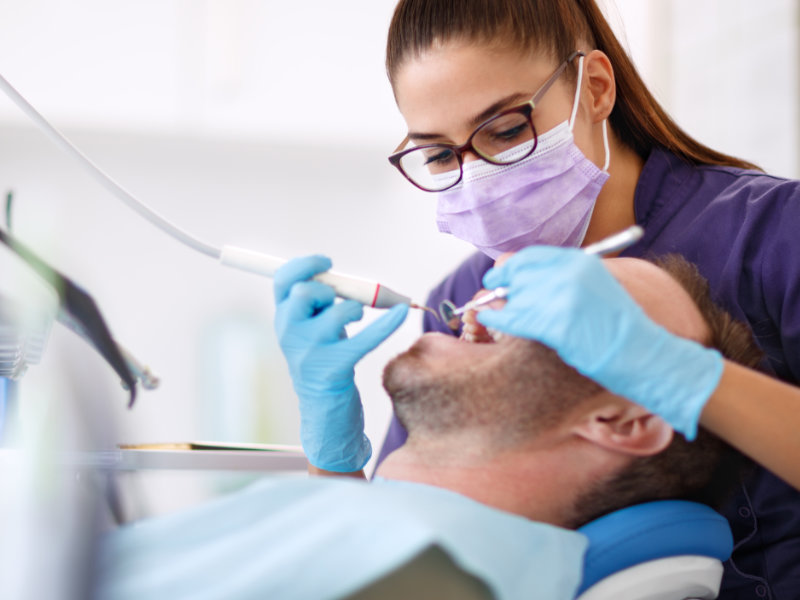

How Do I Take Care of My Dental Crown?
Dental crowns are very durable tooth restorations. With proper care, your new crowns can last for many years.
Here are a few tips on how to take care of your dental crown:
- Brush and floss your teeth for optimum oral health. When cleaning, pay close attention to your crown and the teeth surrounding it.
- Avoid eating hard or sticky foods to prevent your crown from cracking or chipping.
- Use a mouthguard to avoid damaging your crown, especially if you grind or clench your teeth at night.
- Visit our UK dental practice on a regular basis, so we can check that your crown is still “seated” and fits properly.
Have a Question?
If you have specific questions about how to take care of your dental crowns, reach out to our team in Brentwood, Essex, and we’ll respond as quickly as possible.
"*" indicates required fields
